Traditions
Catholic
The Church of Rome and its long tradition of theology and devotion: scholastic argument, mystical prayer and spiritual guidance.
Writers
-
 Boethius
c. 480–524
-
 Anselm of Canterbury
1033–1109
-
 Thomas Aquinas
1225–1274
-
 Dante Alighieri
1265–1321
-
 Thomas à Kempis
c. 1380–1471
-
 Thomas More
1478–1535
-
 Ignatius of Loyola
1491–1556
-
 Teresa of Ávila
1515–1582
-
 Francis de Sales
1567–1622
-
 Blaise Pascal
1623–1662
-
 John Henry Newman
1801–1890
-
 G. K. Chesterton
1874–1936
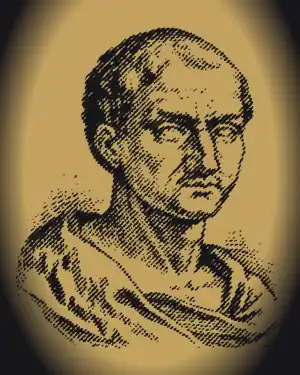
Roman statesman and philosopher · c. 480–524
Boethius
Consul under Theodoric, imprisoned and executed; he wrote the Consolation of Philosophy in his cell, a book the Middle Ages read next to the Bible.
-
Philosophy · 5 parts
The Consolation of Philosophy
Written in prison before his execution (c. 524): Boethius, in conversation with Lady Philosophy, learns why fortune cannot make or unmake happiness, and how providence and free will agree. The book the Middle Ages read most after Scripture.
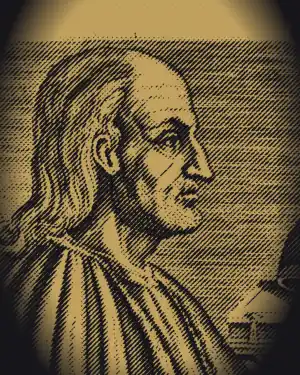
Archbishop of Canterbury · 1033–1109
Anselm of Canterbury
Monk of Bec and archbishop of Canterbury; he sought to understand what he believed, and gave the church the ontological argument and the satisfaction view of the atonement.
-
Philosophical theology
The Proslogion
Anselm's prayer-like argument that God is "that than which nothing greater can be thought": the ontological argument, in twenty-six short chapters.
-
Systematic theology · 2 parts
Cur Deus Homo: Why God Became Man
Anselm's dialogue on why the incarnation and death of Christ were necessary, the classic statement of the satisfaction view of the atonement.
-
Philosophical theology
The Monologion
Anselm's meditation on the nature of God, reasoned from belief alone: that God is the supreme good, the source of all things, one and three.
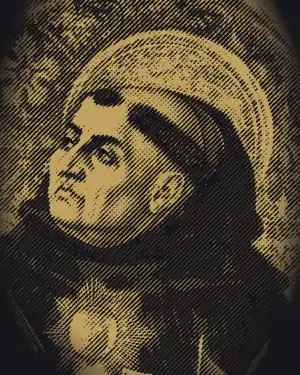
Dominican friar and teacher · 1225–1274
Thomas Aquinas
The great teacher of the medieval schools; the Summa Theologica, here complete, is his summary of Christian doctrine.
-
Systematic theology · 26 parts
Summa Theologica, First Part, Questions 1–26: Sacred Doctrine and the One God
What sacred doctrine is, the five ways to show that God exists, and what can be said of God: his simplicity, goodness, infinity, knowledge, will and power.
-
Systematic theology · 17 parts
Summa Theologica, First Part, Questions 27–43: The Holy Trinity
The processions, the persons and the names of the Father, the Son and the Holy Spirit, and the sending of the persons.
-
Systematic theology · 31 parts
Summa Theologica, First Part, Questions 44–74: Creation, the Angels and the Six Days
God as the cause of all things, the origin of evil, the angels (their nature, knowledge and fall) and the work of the six days.
-
Systematic theology · 28 parts
Summa Theologica, First Part, Questions 75–102: Man: Soul, Body and the First State
The human soul and its powers, how it knows, the creation of man and woman, the image of God and the state of paradise.
-
Systematic theology · 17 parts
Summa Theologica, First Part, Questions 103–119: The Government of Creation
Divine providence, the way God governs and moves creatures, the work of angels and bodies, and the propagation of man.
-
Systematic theology · 48 parts
Summa Theologica, First Part of the Second Part, Questions 1–48: Happiness, Human Acts and the Passions
The last end of man, what true happiness is, the voluntary and the involuntary, good and evil acts, and the passions of the soul.
-
Systematic theology · 41 parts
Summa Theologica, First Part of the Second Part, Questions 49–89: Habits, Virtues, Vices and Sin
Habits in general, the virtues (intellectual, moral and theological), the gifts and fruits of the Spirit, vice, sin, original sin and mortal and venial sin.
-
Systematic theology · 25 parts
Summa Theologica, First Part of the Second Part, Questions 90–114: Law and Grace
The nature of law, eternal, natural and human law, the Old Law and the New, and grace: its necessity, its cause, its effects and merit.
-
Systematic theology · 46 parts
Summa Theologica, Second Part of the Second Part, Questions 1–46: Faith, Hope and Charity
The theological virtues one by one: faith, hope and charity, with the vices opposed to them, and the gifts that go with them.
-
Systematic theology · 76 parts
Summa Theologica, Second Part of the Second Part, Questions 47–122: Prudence, Justice and Religion
Prudence, justice and its parts (rights, restitution, theft, lying, oaths), religion and worship, vows and prayer, and the Decalogue.
-
Systematic theology · 67 parts
Summa Theologica, Second Part of the Second Part, Questions 123–189: Fortitude, Temperance and the States of Life
Fortitude and martyrdom, temperance, chastity and humility, prophecy and rapture, the active and the contemplative life, and the religious state.
-
Systematic theology · 59 parts
Summa Theologica, Third Part, Questions 1–59: The Incarnation and the Life of Christ
The fitness and manner of the incarnation, Christ's two natures, grace and knowledge, his birth, life, passion, death, resurrection, ascension and judgment.
-
Systematic theology · 31 parts
Summa Theologica, Third Part, Questions 60–90: The Sacraments
What a sacrament is, its cause and effects, and Baptism, Confirmation, the Eucharist and Penance (the Third Part as Aquinas left it).
-
Systematic theology · 99 parts
Summa Theologica, Supplement to the Third Part, Questions 1–99: Penance, Anointing, Orders, Matrimony and the Last Things
The rest of the doctrine of the sacraments and the last things, completed by Aquinas's disciples from his commentary on the Sentences: the resurrection, judgment, heaven and hell.
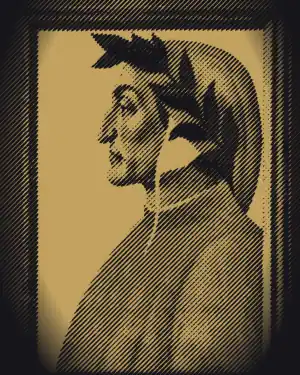
Florentine poet · 1265–1321
Dante Alighieri
Exiled from Florence, he gave Christian Europe its great poem of sin, repentance and glory in the Divine Comedy.
-
Poetry · 3 parts
The Divine Comedy
Dante's journey (c. 1320) through Hell, Purgatory and Paradise: a hundred cantos in which the whole of medieval theology is made into a story.
Augustinian canon · c. 1380–1471
Thomas à Kempis
A canon of the Brethren of the Common Life in the Netherlands; The Imitation of Christ has been read more than any devotional book but the Bible.
-
Devotion · 4 parts
The Imitation of Christ
The most widely read book of Christian devotion after the Bible: four short books on turning from the world to Christ.
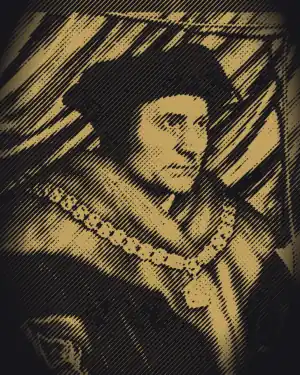
Lord Chancellor of England and martyr · 1478–1535
Thomas More
Lawyer, humanist and friend of Erasmus; he wrote Utopia, refused to swear to the Act of Supremacy, and was beheaded in 1535.
-
Philosophy
Utopia
More's account (1516) of an island where goods are held in common and religion is free: a witty argument about the evils of his own England.
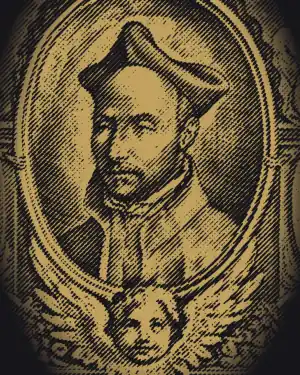
Founder of the Jesuits · 1491–1556
Ignatius of Loyola
A Basque soldier converted while recovering from a wound; his Spiritual Exercises became the pattern of Catholic retreat and prayer.
-
Devotion · 10 parts
The Spiritual Exercises
Ignatius's thirty days of prayer (1548): meditations on sin, on the life of Christ and on the love of God, with rules for discerning the movements of the soul.
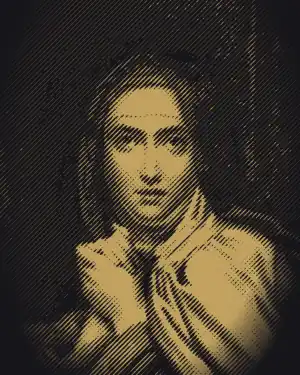
Carmelite nun and reformer · 1515–1582
Teresa of Ávila
Reformer of the Carmelites and the first woman named a Doctor of the Church; she described the soul’s way of prayer in her own words.
-
Autobiography
The Life of St Teresa of Jesus
Teresa's own story (1565): her childhood, her years of half-hearted prayer, and the four degrees of prayer by which God drew her to himself; she wrote it on her confessors' orders.
Bishop of Geneva · 1567–1622
Francis de Sales
Bishop of Geneva in exile at Annecy; he taught that holiness is for people of every state of life, not only for monks and nuns.
-
Devotion · 5 parts
Introduction to the Devout Life
Francis de Sales's guide (1609) for people in the world: that holiness is for every state of life, with counsels on prayer, the virtues, friendship, temptation and renewal.
Mathematician and philosopher · 1623–1662
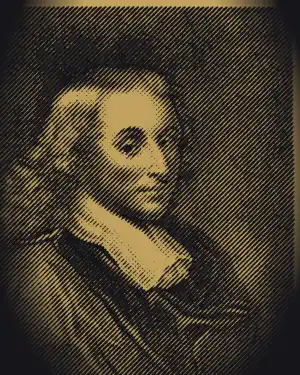
Blaise Pascal
Mathematician and inventor who, after a night of fire in 1654, gave his last years to defending Christian faith; the Pensées are the notes for that book.
-
Apologetics
Pensées
Pascal's unfinished defence of the Christian faith (1670): man's greatness and misery, the wager, the hidden God, the prophecies and the proofs of Jesus Christ.
Cardinal and theologian · 1801–1890
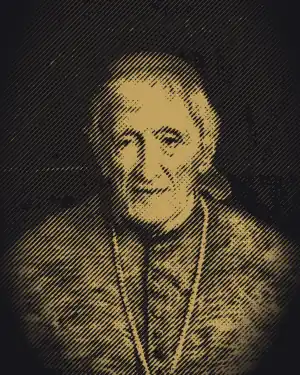
John Henry Newman
Leader of the Oxford Movement who became a Catholic in 1845 and a cardinal in 1879; here are his books on education and on belief.
-
Autobiography
Apologia pro Vita Sua
Newman's account (1864) of his religious opinions: the Oxford Movement, the Tracts, and the road from the Church of England to Rome.
-
Education
The Idea of a University
Newman's nine Dublin discourses (1852) and the lectures that followed: what a university is for, why theology belongs in it, and what it means to be an educated person.
-
Philosophy · 2 parts
An Essay in Aid of a Grammar of Assent
Newman's account (1870) of how we come to believe what we cannot prove: the difference between notional and real assent, and the illative sense that weighs probabilities into certainty.
Journalist and apologist · 1874–1936
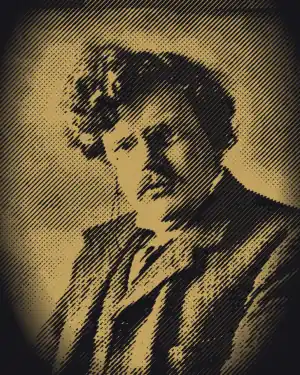
G. K. Chesterton
English essayist, poet and novelist; received into the Catholic Church in 1922, he defended the faith with wit and paradox.
-
Apologetics
Orthodoxy
Chesterton's account (1908) of how he found, by wandering in search of a new faith, that the old one had been waiting for him: a defence of Christian belief in paradox and wonder.
-
Apologetics · 2 parts
The Everlasting Man
Chesterton's history of the world in two halves (1925): man as the creature called man, and the Man called Christ, who comes out of a cave and changes it.
Fathers this tradition reads
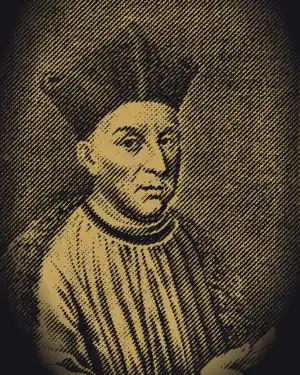
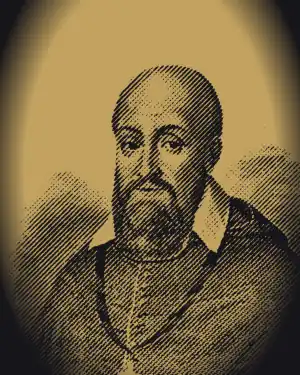
Portraits are drawn in the site’s engraved style from paintings and prints on Wikimedia Commons: Boethius (Unknown author; public domain); Anselm of Canterbury (Unknown author; public domain); Thomas Aquinas (Carlo Crivelli; public domain); Dante Alighieri (Sandro Botticelli; public domain); Thomas à Kempis (Rijksmuseum (print); cc0); Thomas More (unknown artist; public domain); Ignatius of Loyola (Jan-Baptist Barbé (engraver), attributed to: Peter Paul Rubens (designer); public domain); Teresa of Ávila (François Gérard; public domain); Francis de Sales (Marlier (artist) (designer); public domain); Blaise Pascal (Philippe de Champaigne; public domain); John Henry Newman (John Everett Millais; public domain); G. K. Chesterton (Ernest Herbert Mills; public domain).


